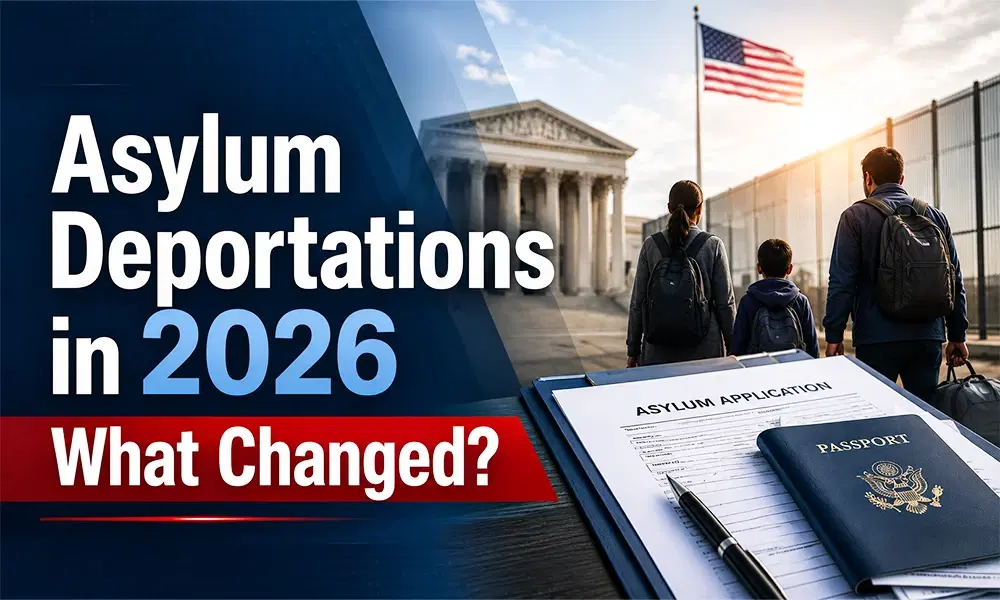

For individuals seeking protection in the United States, asking how long the asylum process takes is rarely a matter of simple administrative curiosity. It is a deeply personal, fundamental question about safety, stability, and the ability to begin rebuilding a life without the constant shadow of legal uncertainty. Under standard procedural frameworks set by U.S. immigration law, the entire asylum adjudication process is theoretically designed to conclude within 180 days of filing. However, the reality on the ground paints a vastly different picture. Depending on the specific legal track an applicant enters, the geographic location of their filing, and the prevailing policy landscape, the journey from submitting an initial petition to receiving a final decision can span anywhere from several months to upwards of five or six years. This stark divide between statutory guidelines and practical timelines leaves hundreds of thousands of asylum seekers navigating a protracted state of legal limbo.
Navigating the Two Tracks: Affirmative vs. Defensive
Understanding why timeline variations occur begins with identifying the two distinct pathways within the American asylum system: the affirmative track and the defensive track. An affirmative application is submitted directly to United States Citizenship and Immigration Services (USCIS) by individuals who are physically present in the U.S. and are not currently subject to deportation proceedings. Historically, this administrative route was built to provide a streamlined experience, featuring an informal interview with an asylum officer rather than a adversarial court proceeding. In contrast, defensive asylum takes place within the Executive Office for Immigration Review (EOIR) court system. This route occurs when an individual faces active removal proceedings—either after being detained at a port of entry without valid documentation or after an affirmative application was not approved by USCIS and was subsequently referred to an immigration judge. Because the court system operates under an overwhelming backlog numbering in the millions of cases, the defensive track almost guarantees a multi-year judicial journey featuring multiple hearings, formal testimony, and strict court deadlines.
Key Milestones in the Application Journey
Regardless of whether a claim proceeds affirmatively or defensively, the application follows a structured legal sequence that dictates an applicant's daily life and rights while they wait. The process formally begins with the submission of Form I-589 (Application for Asylum and for Withholding of Removal), which generally must be lodged within exactly one year of the applicant’s most recent entry into the United States. Within weeks of submitting this extensive packet, USCIS issues an official receipt notice, followed shortly by a biometrics appointment notice where the applicant’s fingerprints, photograph, and signature are taken to run mandatory background and security clearances.
As the calendar progresses, applicants reach a crucial financial and personal turning point at the 150-day mark: if there have been no applicant-caused delays in the processing of the claim, the applicant becomes eligible to submit Form I-765 for an Employment Authorization Document (EAD). Under federal rules, this work permit cannot be issued until the application has been pending for a full 180 days. Beyond this milestone, the timeline diverges sharply based on scheduling priority. Eventually, affirmative applicants are summoned to a regional asylum office for a comprehensive, multi-hour interview, while defensive applicants must attend a preliminary Master Calendar Hearing followed by a formal Individual Merits Hearing. Months or even years after these proceedings conclude, a final decision is delivered—either granting legal status, denying protection, or opening avenues for formal administrative appeals.
Systemic Drivers of Case Delays
The immense bottleneck separating statutory expectations from actual processing times stems from a combination of systemic resource shortages and shifting administrative tactics. The primary catalyst for delay is a structural imbalance between the staggering volume of incoming asylum claims and the severely constrained staffing levels of asylum officers and immigration judges. To cope with this imbalance, authorities frequently alter case management strategies, most notably through the "Last In, First Out" (LIFO) scheduling priority. Designed to deter non-meritorious filings, LIFO prioritizes newly filed applications for immediate interview scheduling. While this allows recent arrivals to receive swift answers, it effectively freezes older applications in place, leaving backlogged cases languishing in a queue for years without progress. Furthermore, geographic disparities heavily dictate processing speed; applicants living within the jurisdiction of densely populated metropolitan centers like New York, Los Angeles, or Miami endure significantly longer wait times than those whose cases are processed through less congested regional field offices.
Proactive Steps for Managing the Wait
While living through a multi-year waiting period can impose severe emotional and financial strain, applicants can take deliberate, proactive steps to safeguard their cases and maintain stability throughout the process. Strict compliance with administrative obligations is essential; for instance, applicants are legally required to submit Form AR-11 to notify immigration authorities within ten days of any address change, as a single missed notice can lead to an automatic denial or an order of removal in absentia. Additionally, applicants must exercise extreme caution regarding international travel; returning to one’s home country during a pending application can instantly undermine a claim by signaling that the fear of harm no longer exists, while traveling elsewhere requires advance authorization through Advance Parole.
Ultimately, the extended waiting period can be used constructively to fortify the legal basis of the claim. Applicants can continuously gather corroborating documentation, obtain expert country-condition declarations, undergo formal medical or psychological evaluations, and collect sworn statements from witnesses. By actively building a comprehensive evidentiary record during the wait, applicants ensure that when their day before an asylum officer or immigration judge finally arrives, their case stands as clearly, thoroughly, and convincingly as possible.